
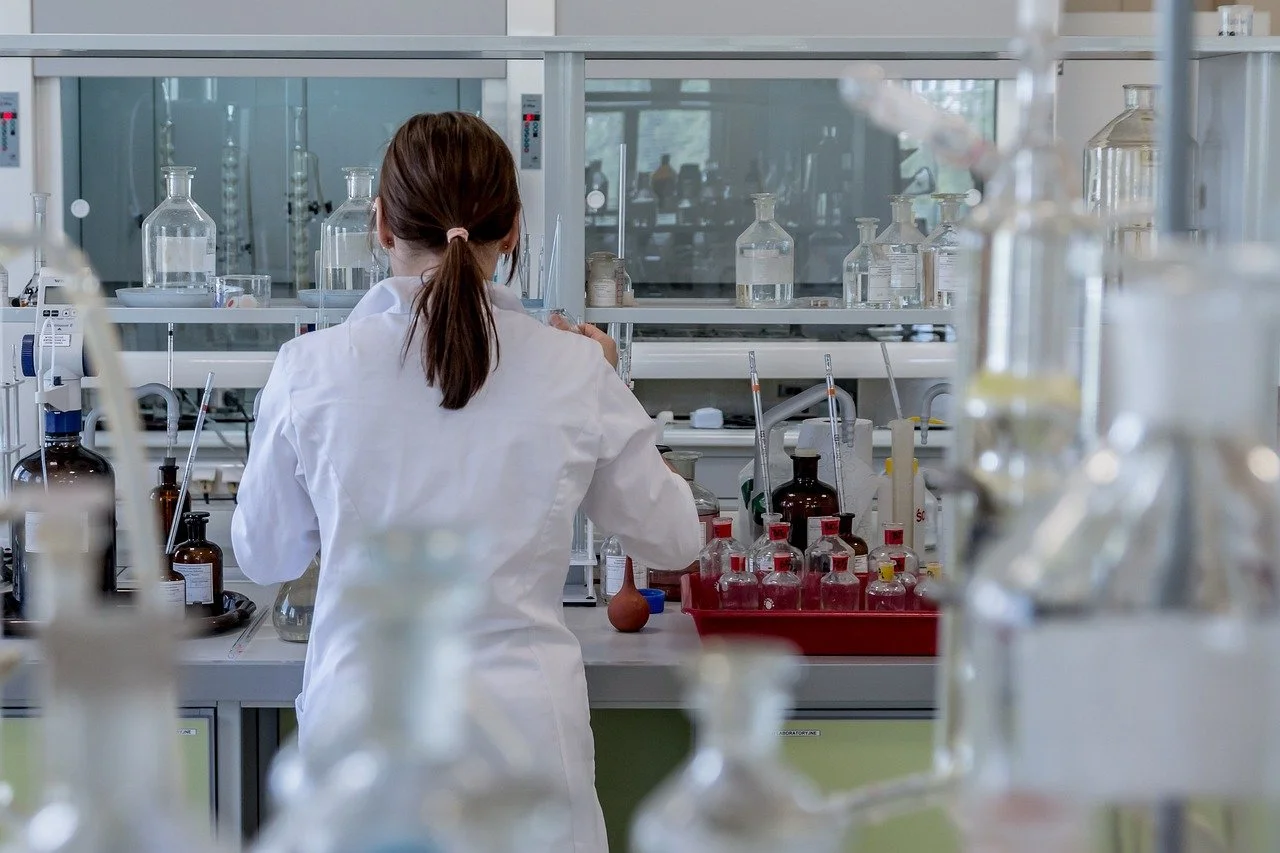

Introducing the Resource Center for Cannabis and Cannabinoid Research (R3CR)
While individual states began recognizing medical cannabis in 1996, researching the medicinal value in the United States was extremely difficult. Even now when 41 states and Washington D.C. have approved medical cannabis, at the federal level cannabis remains a scheduled substance. This complicates and hinders a lot of research at major Universities who receive most of their scientific research funding from the federal government. Recently there has been a push to prioritize more cannabis research, especially for therapeutic benefits. The National Institute of Health (NIH) has funded the creation of a research center designed to help change this landscape and make cannabis research more accessible.
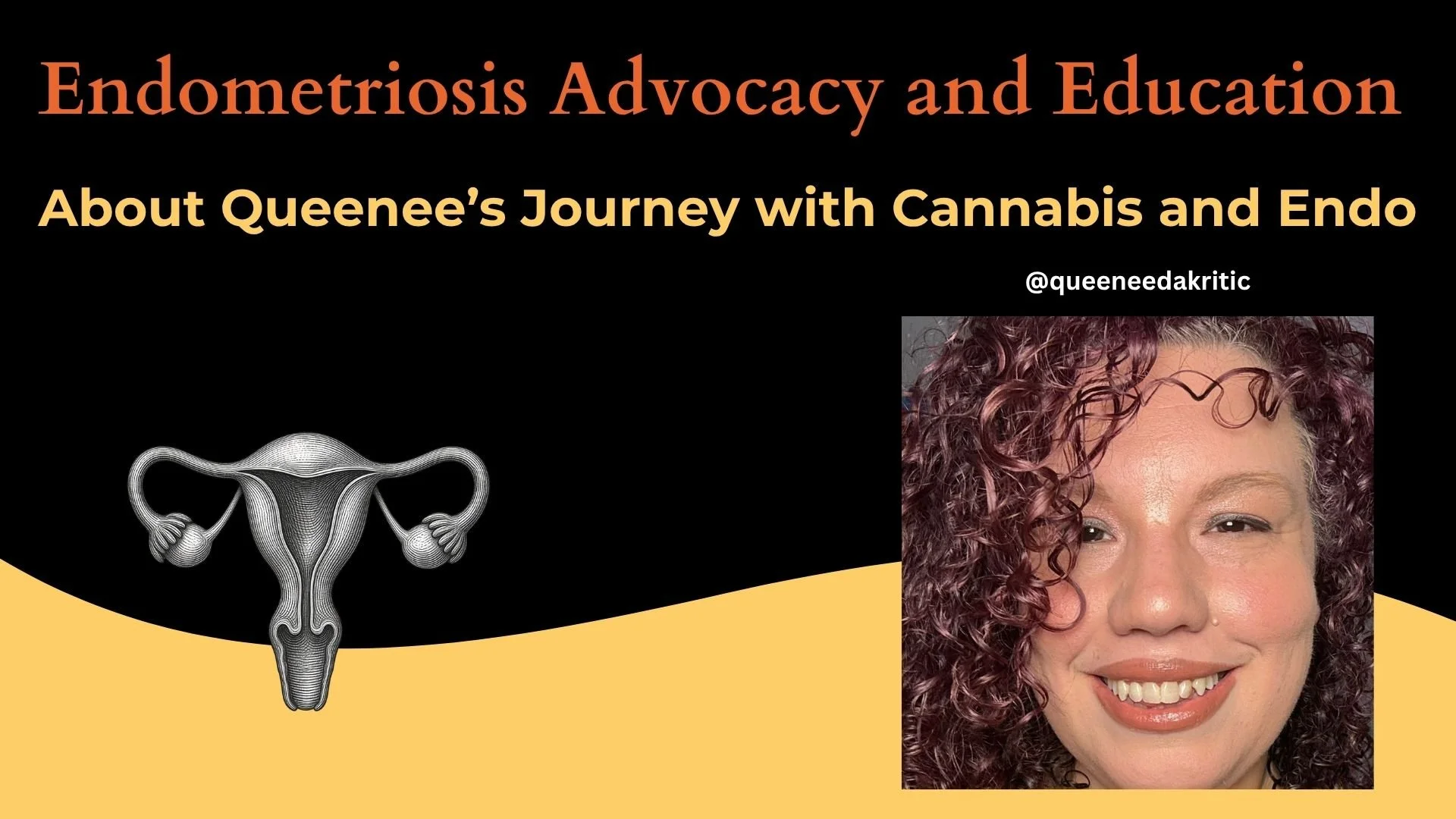
Endometriosis Advocacy and Cannabis Education: A Powerful Pairing
Mel Gonzalez is a powerhouse in the cannabis industry, indeed. With over 25 years of experience working in healthcare as a medical assistant, the Bronx-born Latina has made a brand from her authentic, educational posts on Instagram. We’re highlighting her story and her advocacy. Mel’s passion for cannabis as a medicine is as inspiring as her battle with stage 4 endometriosis. You may know her from “Weedstagram” as Queenee (@queeneedakritic).
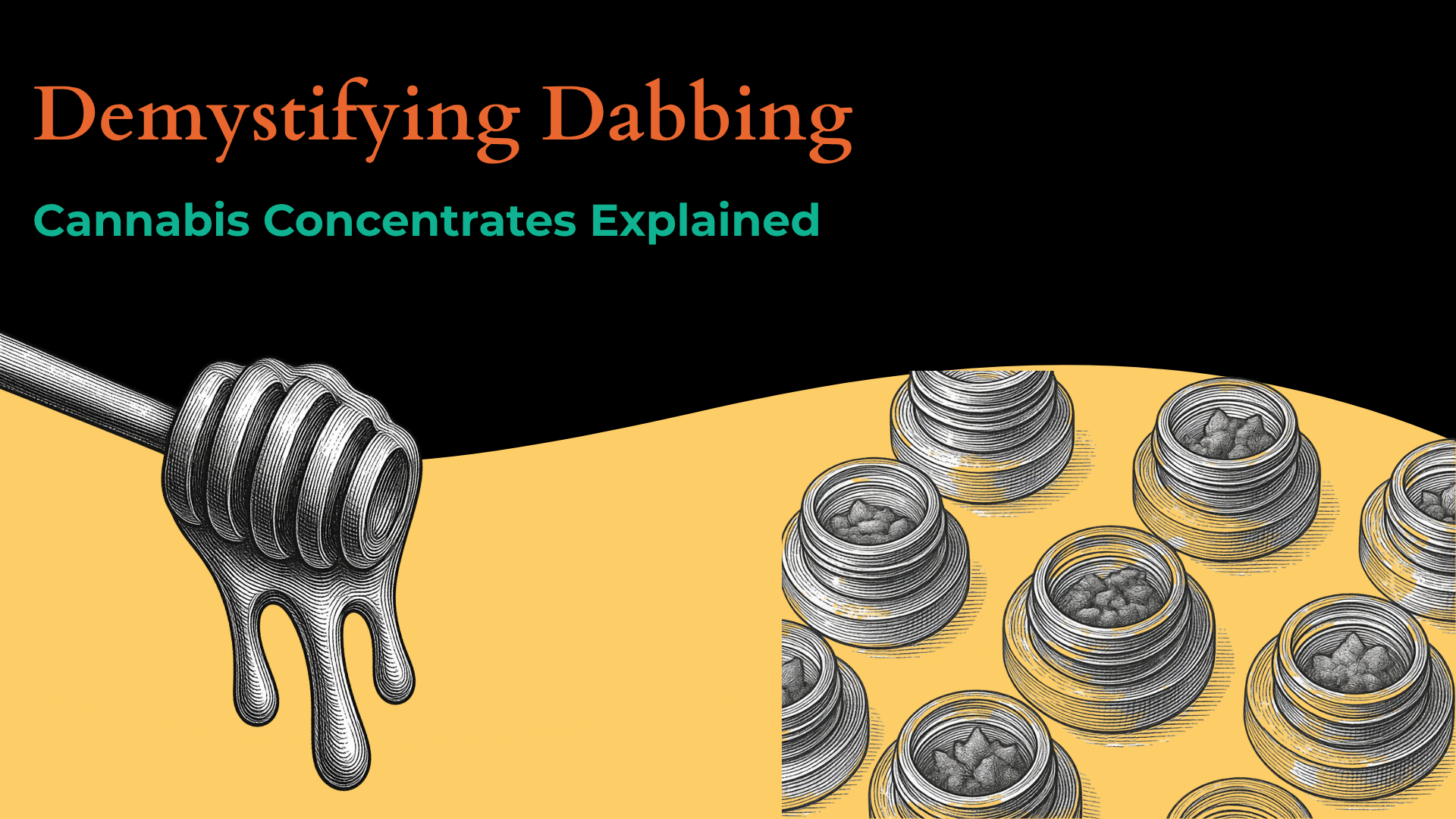
Demystifying Dabbing
Are you interested in using concentrates but unsure where to start? Does the stigma or safety concern of using a torch deter you from trying concentrates? Join us as we demystify dabbing! Learn about the different types and textures of concentrates, how they’re extracted, how to use them, and a crash-course in tolerance.
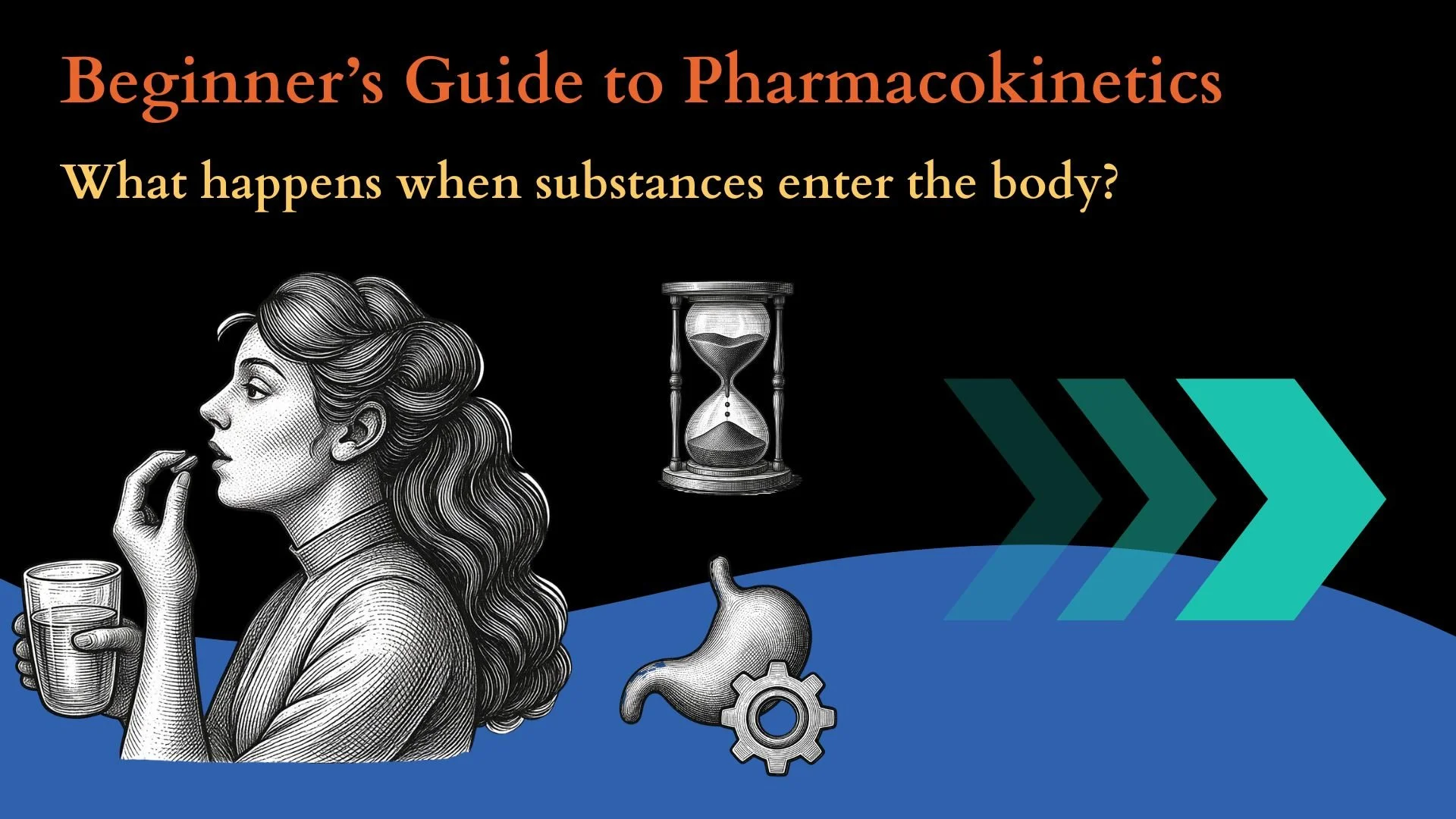
Beginner’s Guide to Pharmacokinetics
Ever wonder what actually happens to a drug after it has entered your body? Well there’s an entire scientific discipline dedicated to this process known as pharmacokinetics (PK), and the field is growing rapidly. Emma discusses why studying PK is important, what it tells us, and how it can be used in future cannabis studies!
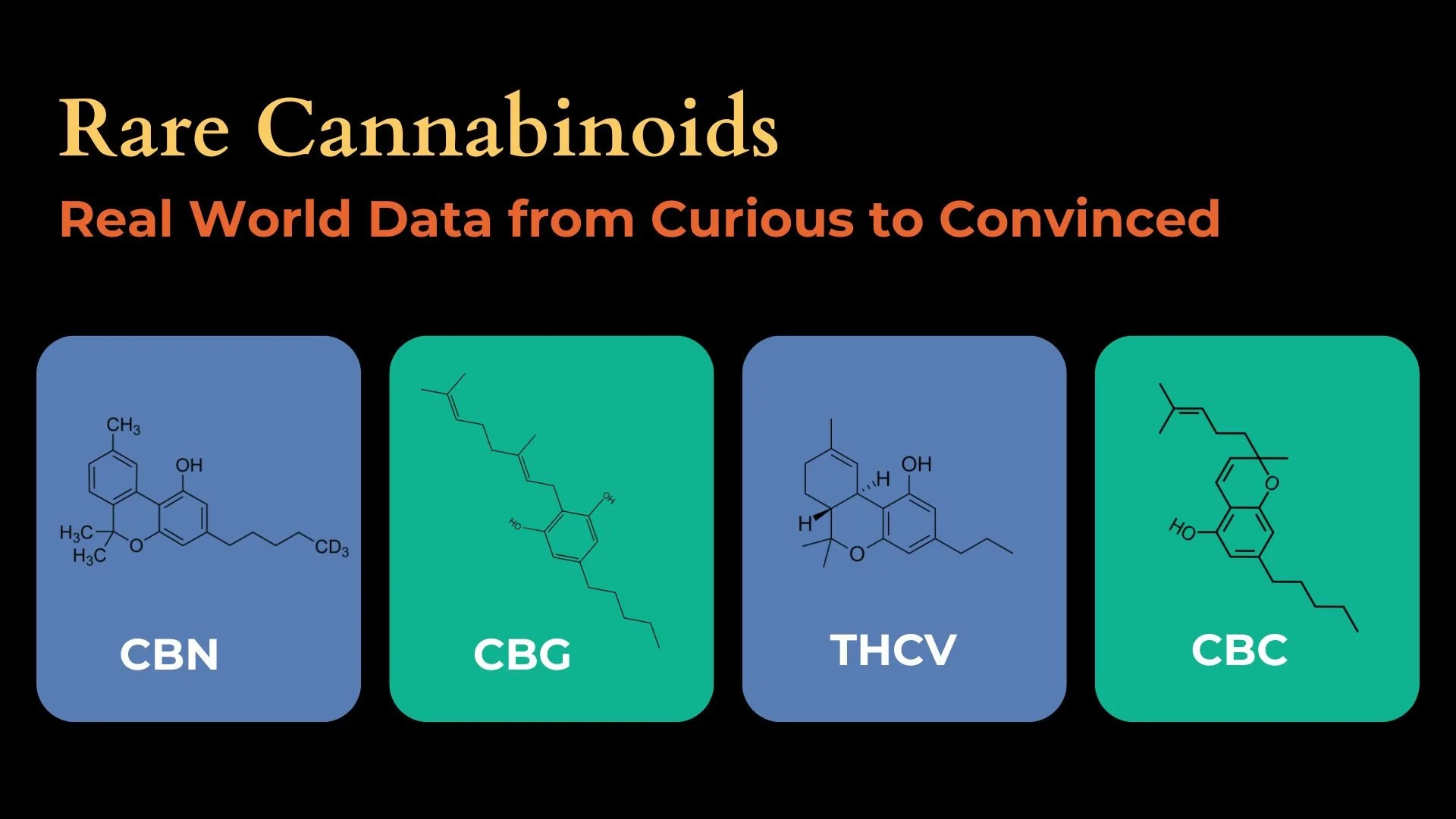
Rare Cannabinoids: Real World Data from Curious to Convinced
Rare cannabinoids like CBN, CBG, THCV, and CBC have many potential therapeutic benefits that are not yet well understood. They are usually present in small amounts in the natural plant material, but more recently have been formulated into hemp and cannabis products, making them more accessible. While some people have begun to explore using the rare cannabinoids, early results from the Real Data Project show that there’s still room for more public education and awareness.
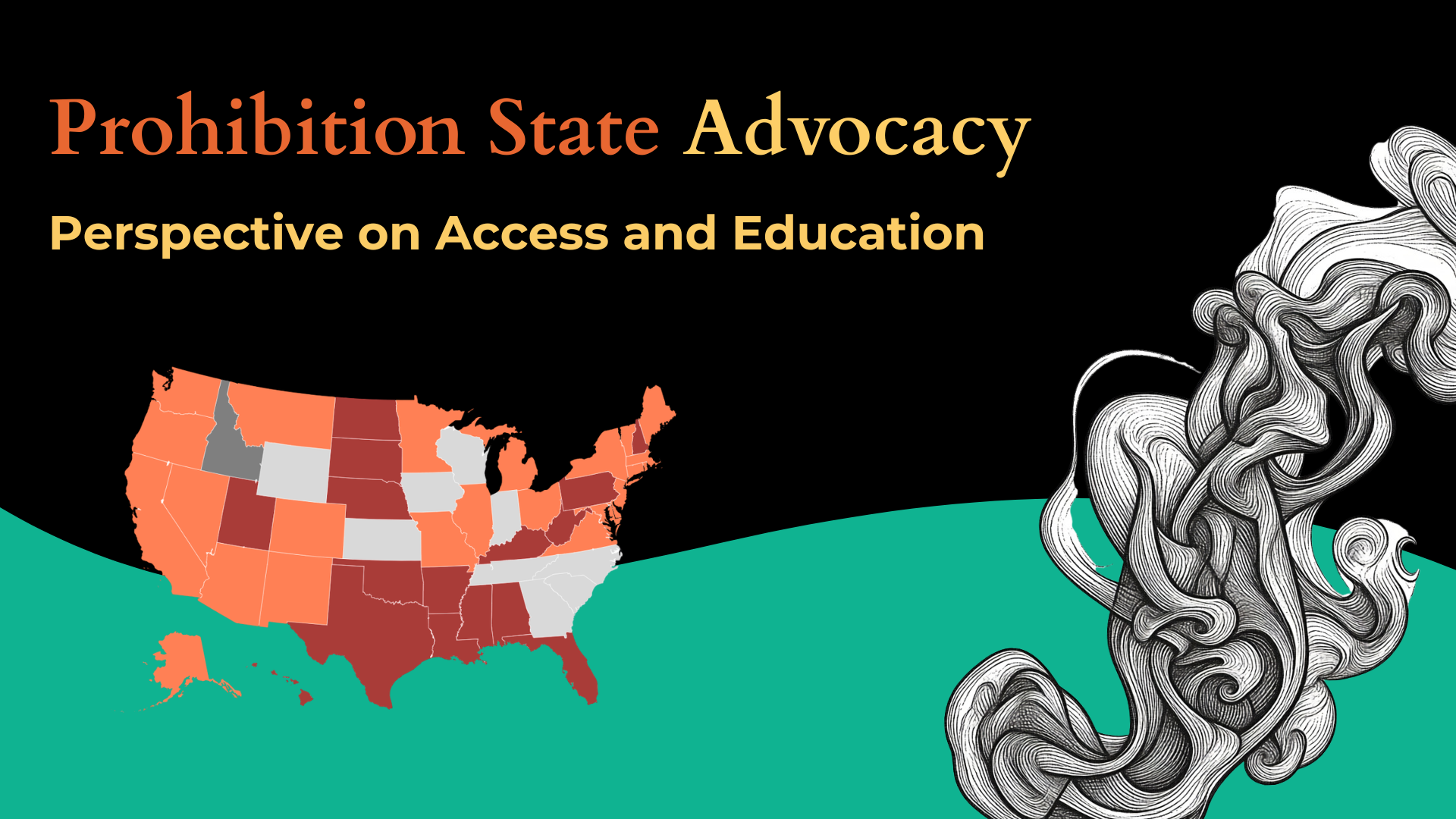
Prohibition State Advocacy
Author Julz Sannipoli M.S Medical Cannabis Science and Therapeutics Program shares her perspective as a queer, neurodivergent medical cannabis user who lives in a prohibition state.
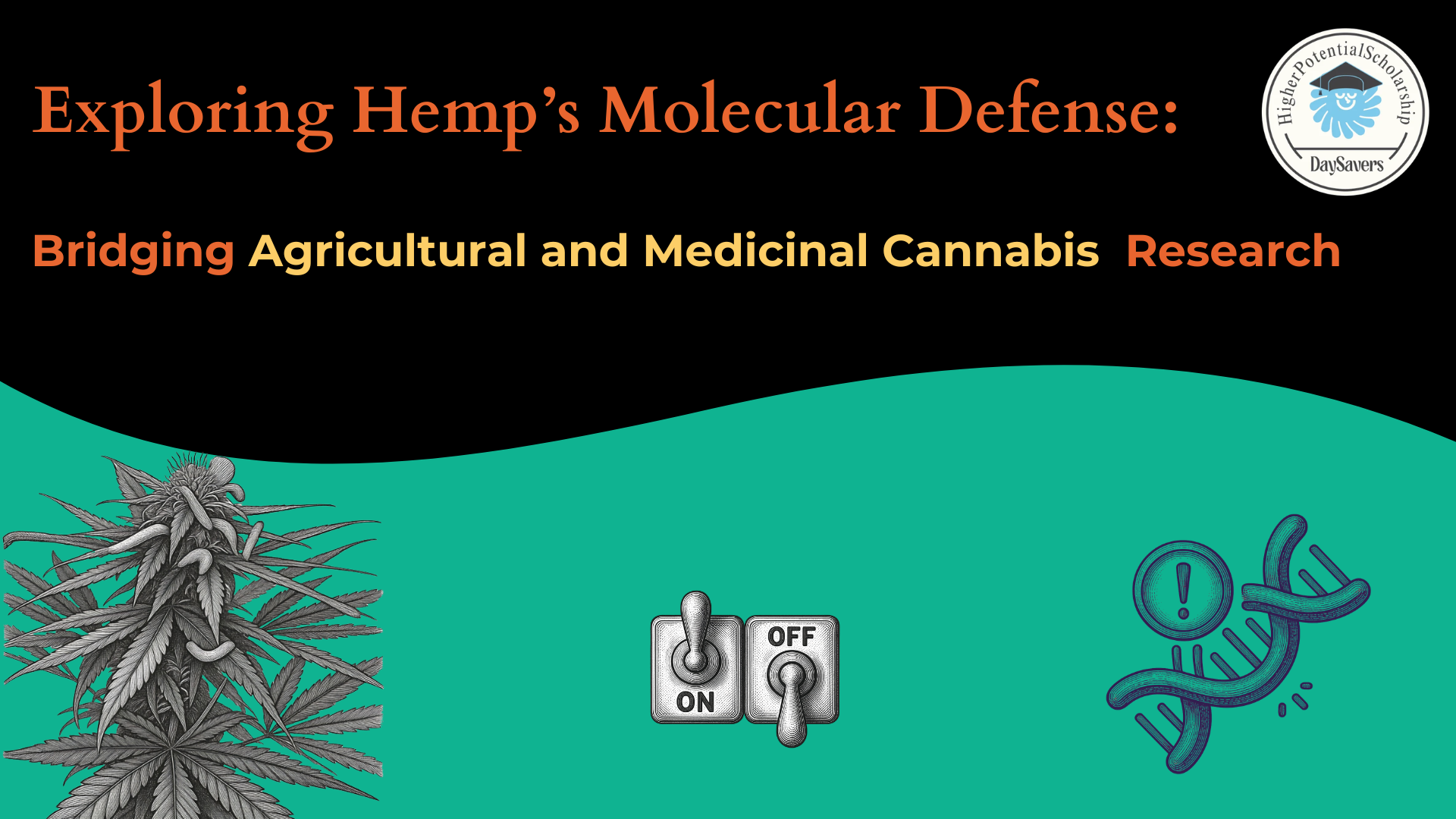
Exploring Hemp’s Molecular Defense: Bridging Agricultural and Medicinal Cannabis Research
Hemp (Cannabis sativa) is a remarkably versatile plant that serves as a source of fiber, food, and medicinally relevant compounds. Beyond its well-known cannabinoids such as cannabidiol (CBD) and tetrahydrocannabinol (THC), hemp produces a diverse array of secondary metabolites that play essential roles in plant defense and human health. Yet, the molecular interactions that regulate these compounds under stress conditions, particularly biotic stress, remain underexplored. We discuss how insect herbivory, specifically from the corn earworm (Helicoverpa zea), influences hemp’s biochemical and molecular responses.
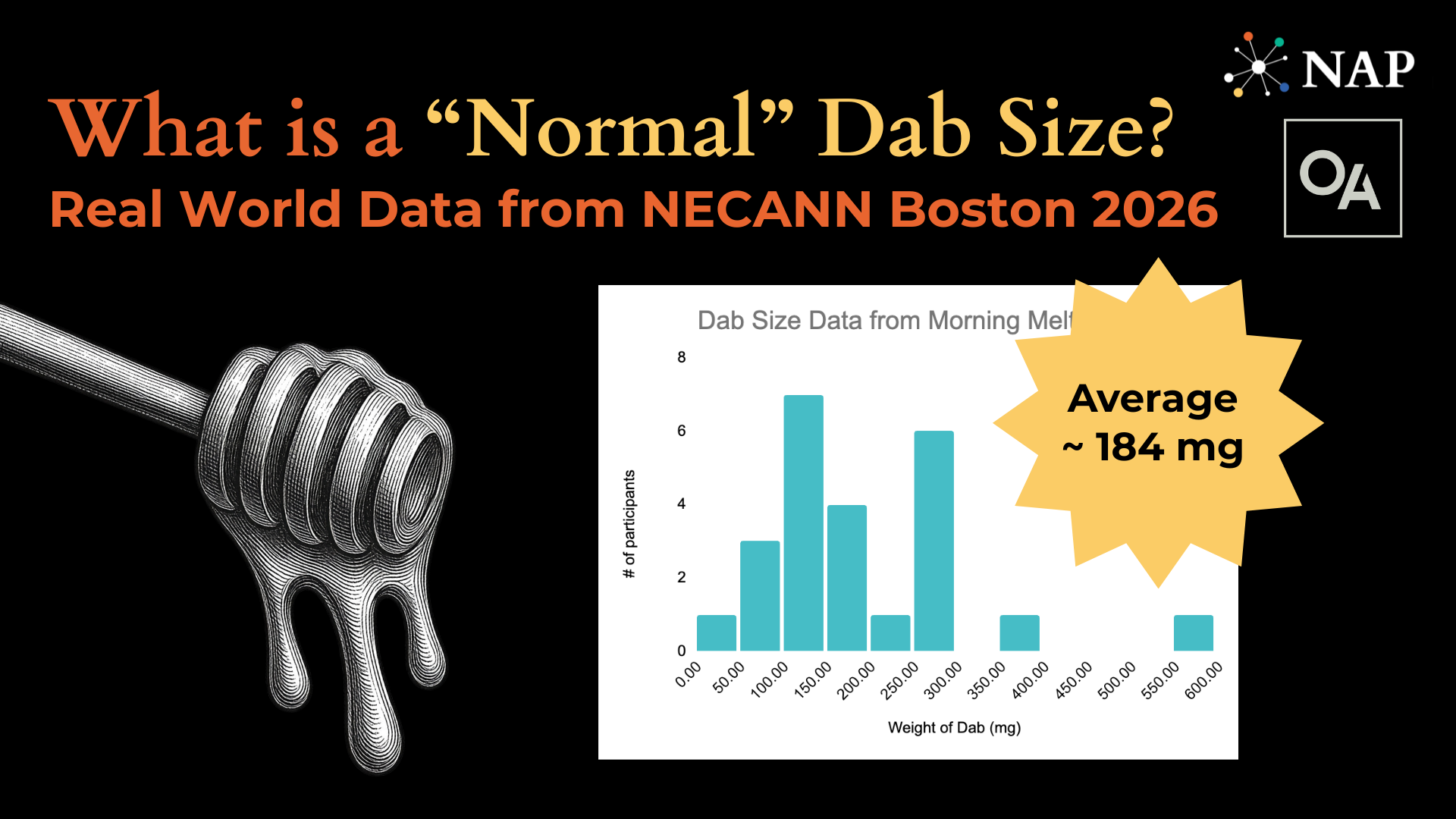
What Is a “Normal” Dab Size? Real World Data from The Morning Melt - NECANN 2026
In academic cannabis research, concentrates are typically discussed in terms of potency, little is known about what a “typical” dab actually looks like in real-world use, especially given the variety of concentrate types available. How can we accurately discuss cannabis dosage and effects between researchers, the real world, and patients? This past April at NECANN, the Network of Applied Pharmacognosy partnered with Kate Avruch of Operator Academy to collect a small set of real-world dab-dosing data. Attendees at a dab-focused event were asked to portion out what they considered a normal dab, and each sample was weighed.

Cannabis and Driving: What Happens After the High Wears off?
Have you ever felt like you were capable of driving after you’ve smoked? Recent research suggests that some daily or frequent cannabis users could be after some hours. As the plant increases in legality and public interest, a key public safety question remains unanswered: how does cannabis affect driving? Most of the literature surrounding cannabis and driving is inconclusive and some studies even contradict each other’s findings. Read more about the complex relationship between cannabis use and the ability to drive.
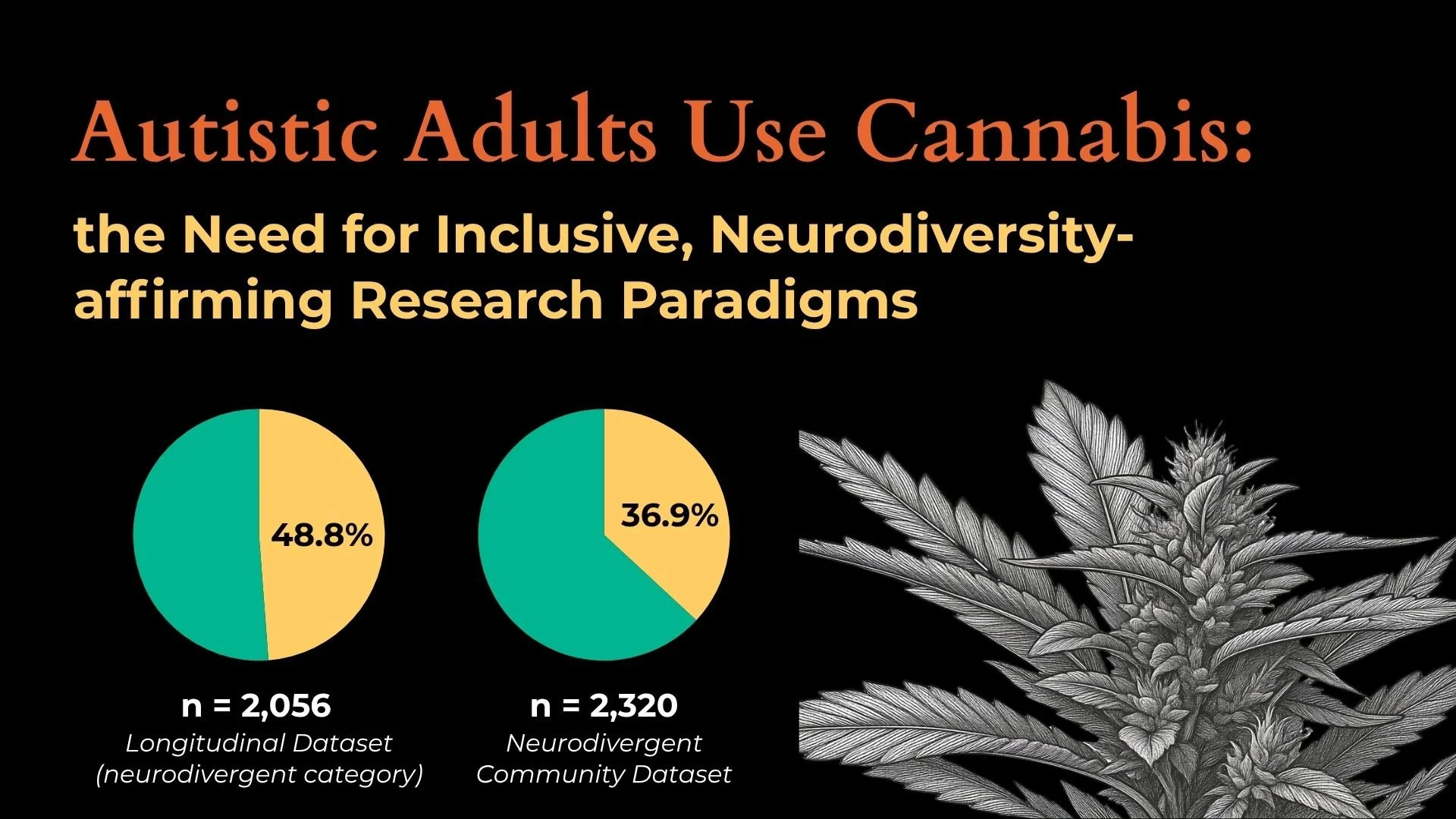
Autistic Adults Use Cannabis: the Need for Inclusive, Neurodiversity-affirming Research Paradigms
What happens when one of the medical communities most impacted by Cannabis are the least represented in the research studying it? Our datasets show a significant population of autistic adults that are using cannabis frequently, intentionally, and often in the context of complex, overlapping health needs. The research paradigms that are designed to study and understand cannabis remain disconnected from these lived experiences. Read more about how we can move towards more meaningful, translatable science that bridges this gap.
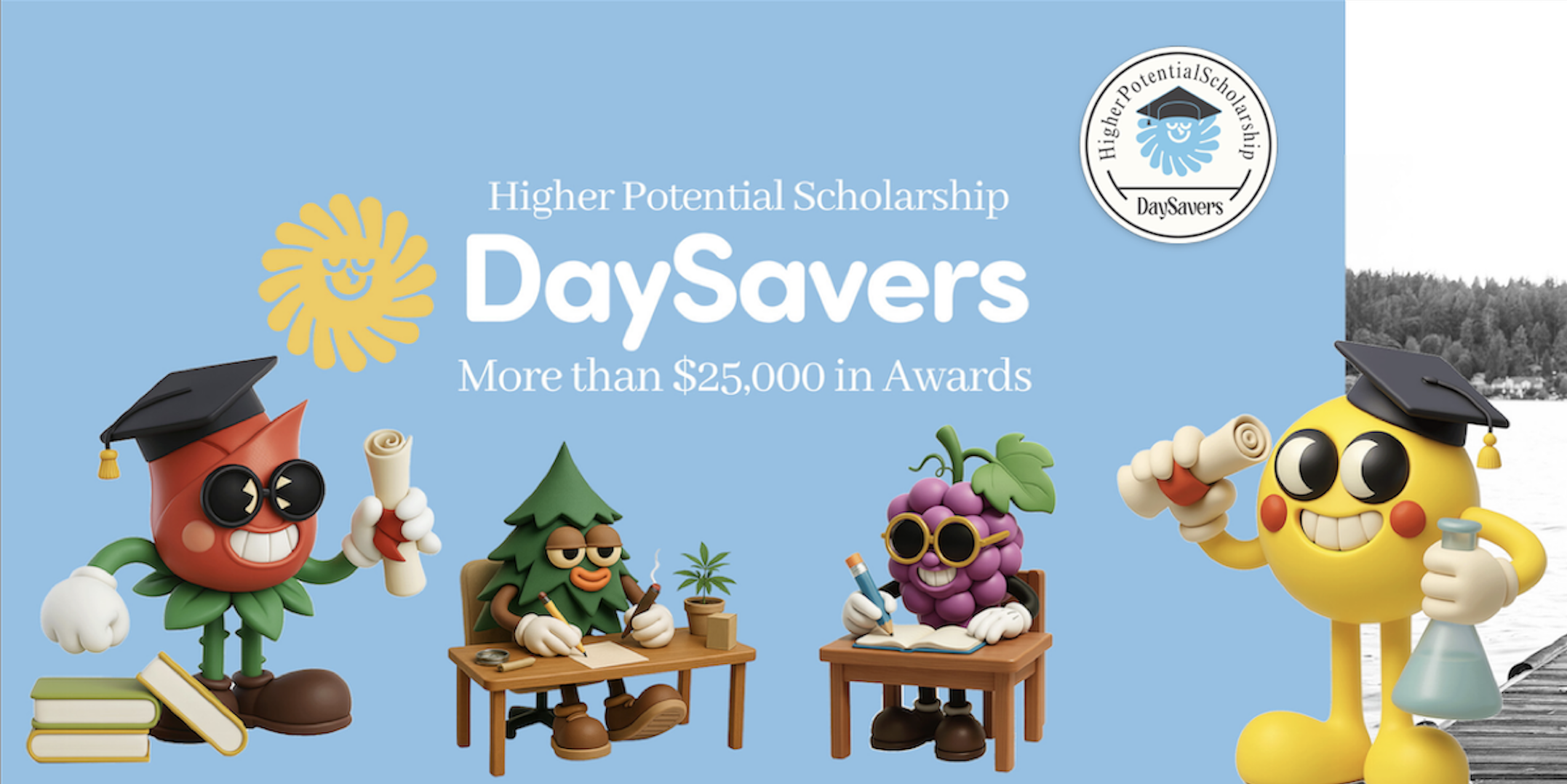
The Future of Cannabis Science: NAP x Custom Cones’ Higher Potential Scholarship Awardees
These awesome awardees recognized by DaySavers’ Higher Potential Scholarship represent the future of cannabis research. At NAP we believe our community depends on people willing to ask better questions, challenge outdated systems, and build bridges between research, community, and real world application for impactful and immediately tangible results. Read more to learn about their research and how they are hoping to connect with other cannabis community advocates and leaders!
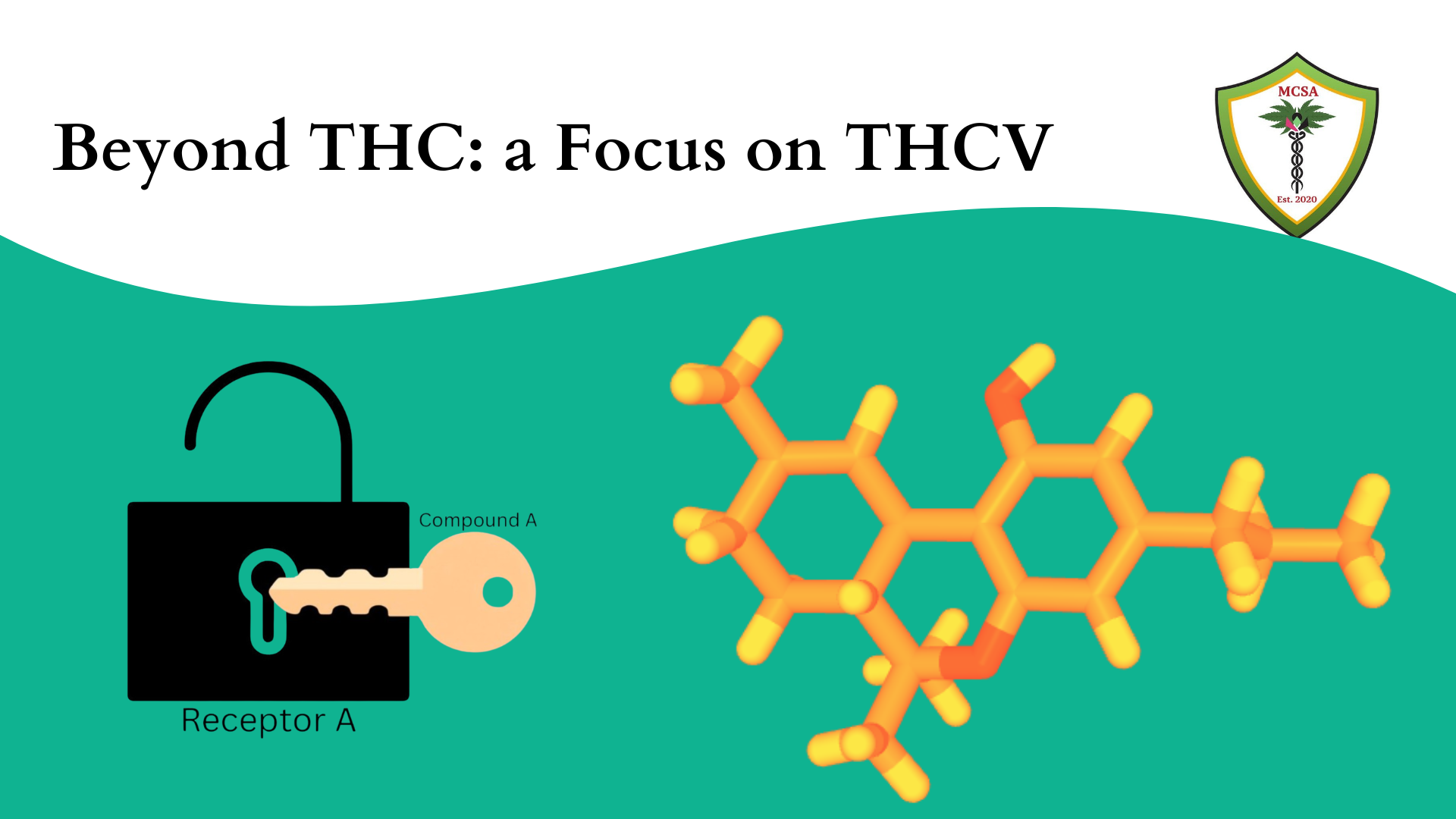
Beyond THC: A Focus on THCV
In the article Synthetic, Alternative, Rare? Different cannabinoids and where they come from, we began a very important discussion about different chemical components of the cannabis plant, cannabinoids! One up and coming cannabinoid of interest is Tetrahydrocannabivarin or THCV. This cannabinoid is reported to have some interesting effects compared to those that result from consuming Tetrahydrocannabinol or THC.
What We Learned from Studying Real World Use of Vivazen’s Kratom Energy Supplement
We have been gathering real world data on a full plant extract of Mitragyna speciosa, often referred to as kratom, a botanical traditionally used for sustained energy and focus. In a three week observational study of 103 participants using a kratom-based energy shot formulated with Cordyceps militaris, we observed meaningful improvements in well-being, cognitive function, and productivity, alongside reductions in fatigue. Participants reported feeling more focused, energetic, and productive, with many noting better performance compared to other energy products and an average gain of over one additional productive hour per day. These findings suggest that thoughtfully formulated full plant products may support sustained energy and mental clarity while offering a potential alternative to conventional energy drinks.
Scientific Bias & the Neurodivergent Cannabis Community: Why Real-World Data is Critical to Medical Advocacy
A recent publication in The Lancet Psychiatry is adding to the growing body of peer-reviewed literature that stigmatizes cannabis and cannabinoid use for mental health, focusing on the lack of “high-quality” supporting research. While the authors and the mainstream media are interpreting this to mean there is no evidence to support the therapeutic benefits of cannabis for mental health, this could also be a direct result and relevant example of scientific bias. When viewed through a neurodiversity-affirming and patient-centered framework, the findings of this study clearly point towards a naive, biased, and discriminatory interpretation of one simple fact: the research world is not inclusive nor is it up to date on the lived experiences of the neurodivergent cannabis community. Scientific bias is a serious issue in cannabis research, contributing to unnecessary research barriers, perpetuating the stigma, and increasing risk of harm to the marginalized neurodivergent cannabis community.
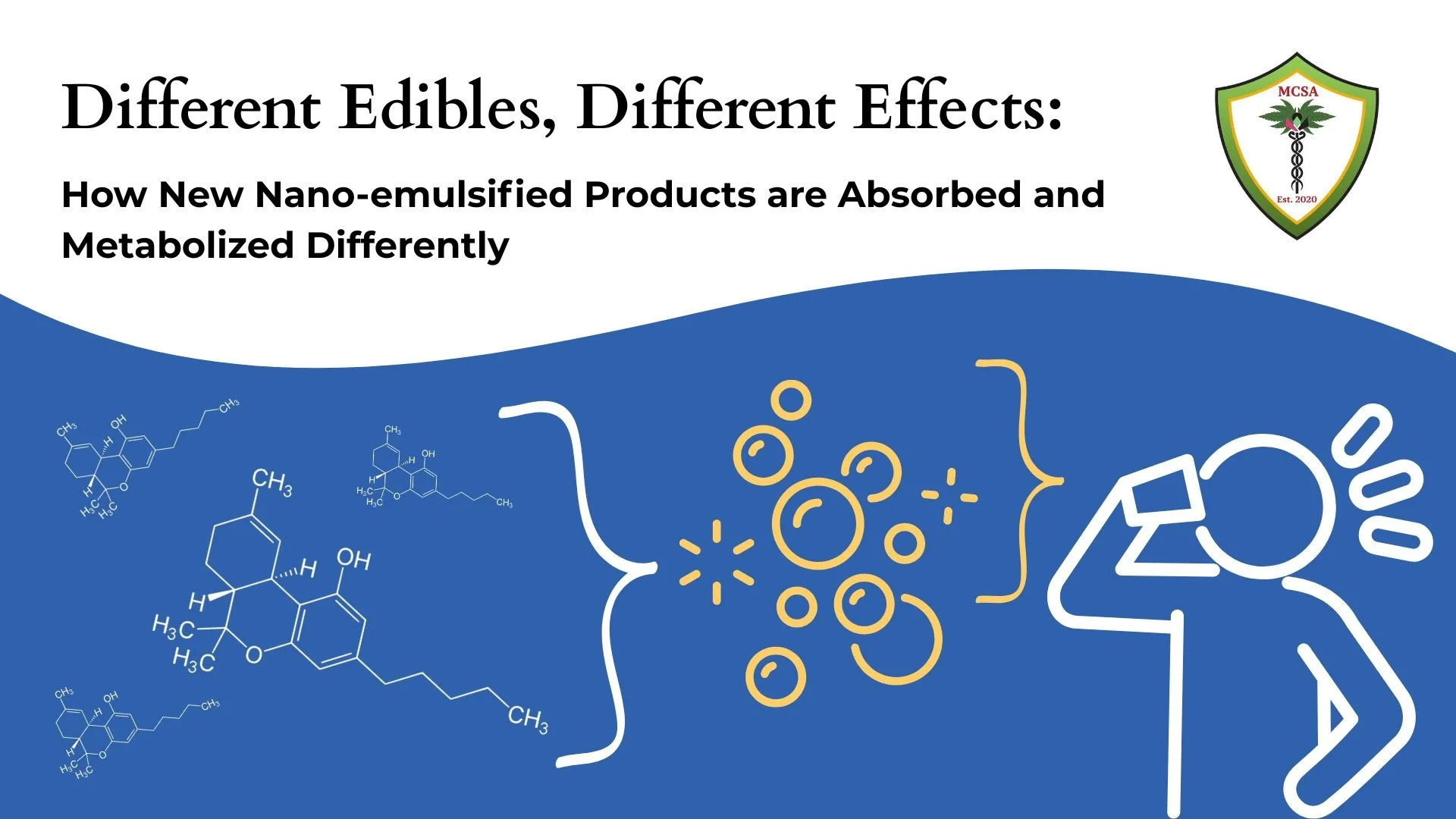
Different Edibles, Different Effects: How New Nano-emulsified Products are Absorbed and Metabolized Differently
Ever had a completely different experience with a cannabis drink and a cannabis brownie? Scientists think that there may be a reason and are working to better understand why. An ongoing study at Johns Hopkins Cannabis Science Lab is investigating how different edible formulations may influence the way THC (the main psychoactive component in cannabis) is absorbed and metabolized in the body. This study goes beyond THC potency or dose, as it asks the question: Does the way a product is made change how it works in the body? Let’s dive into the background of the study!
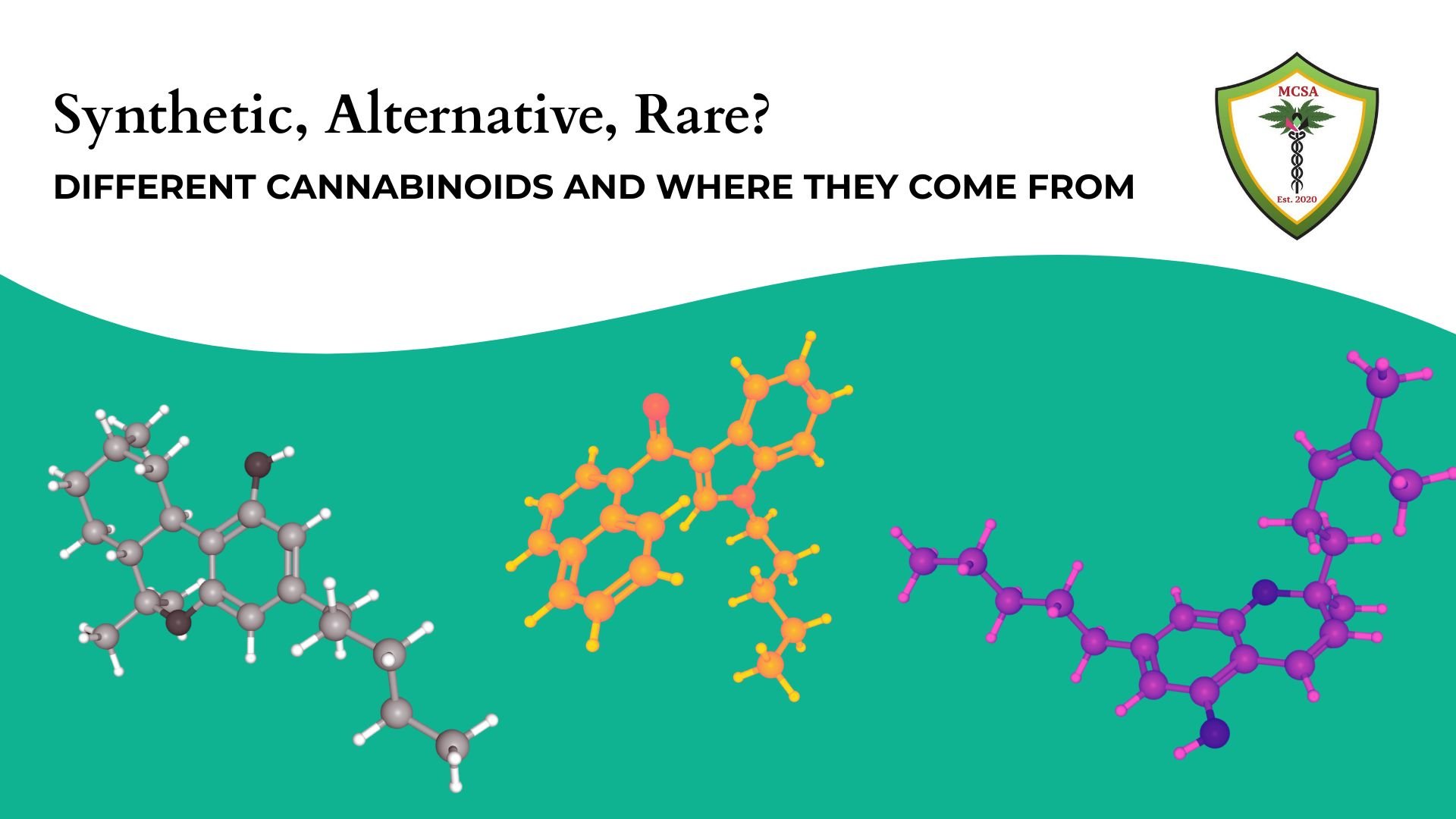
Synthetic, Alternative, Rare? Different cannabinoids and where they come from.
When you consider the word “"cannabinoid,”" the first thought is usually something relating to cannabis. In fact, some might say that cannabinoids, in addition to hundreds of other chemical components, are what make cannabis, well, cannabis! With the ever-expanding cannabis industry, including specialties such as cannabinoid isolation, processing, and cultivation; members of the community are witnessing the introductions of many new alternative, rare, synthetic, and semisynthetic cannabinoids.
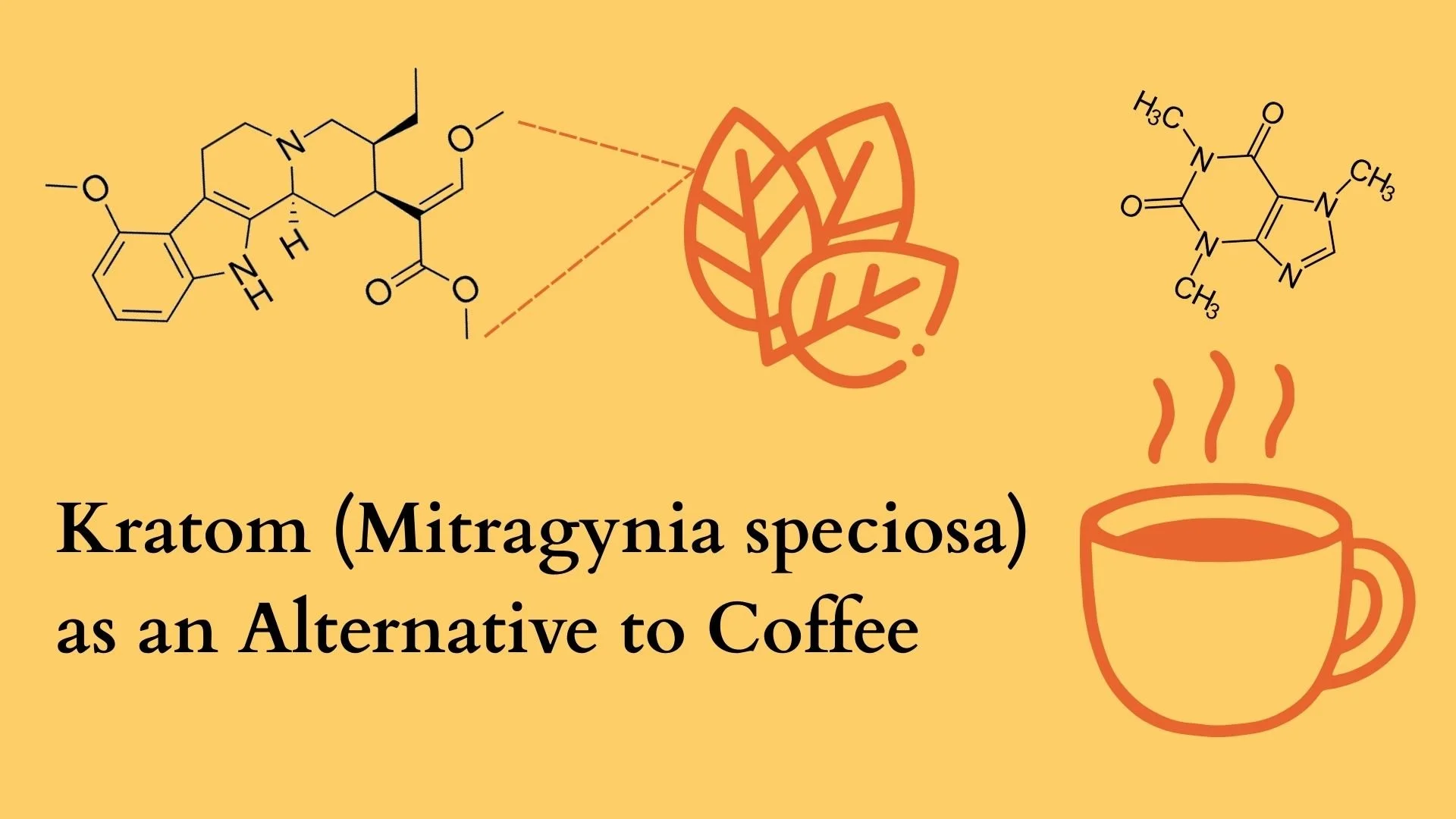
New Observational Data on Mitragyna speciosa Korth (Kratom) as an Alternative to Coffee
For many people, coffee has been integrated into our lives as a stimulant that helps with energy, focus, and productivity. But caffeine can often cause anxiety, jitters, and energy crashes - especially with daily use. Results from a previous dataset showed promising benefits for mental clarity, focus, and energy using a formulation of Mitragyna speciosa Korth (Kratom) that was formulated to have a more comparable dose to traditional applications. This follow-up collaborative study by MoreBetter showed additional benefits in overall well-being, cognitive functioning, and overall fatigue with decreased probability of participants feeling jittery or experiencing an energy crash.

Introducing NAP’s Inaugural Science Communication Team!
The Network of Applied Phamacognosy (NAP) and the University of Maryland School of Pharmacy Medical Cannabis Science and Therapeutics Program have launched a Natural Products Science Communication Internship reflecting our shared mission of advancing inclusive and community-centered science advocacy in the cannabis space. Our inaugural class of budding science communicators all share a passion for increasing public awareness around cannabis from the patient and consumer’s perspectives. We’re thrilled to be amplifying and advising them as they find their voices and hone their messaging.
Data-backed Guidelines for Infused Beverages from 18,000 Real-World Reports
“Start low and go slow” has long been told to beginner consumers, but this report includes real numbers from over 2,500 participants and 20 different infused beverages. Most consumers feel the onset of infused beverages after 40 minutes with effects lasting between 1-3 hours. At low doses, there was very little chance of negative effects, but this increased rapidly with mixing with alcohol or other cannabinoid products.
Scroll down for a data-backed visual consumer guide on infused beverages.
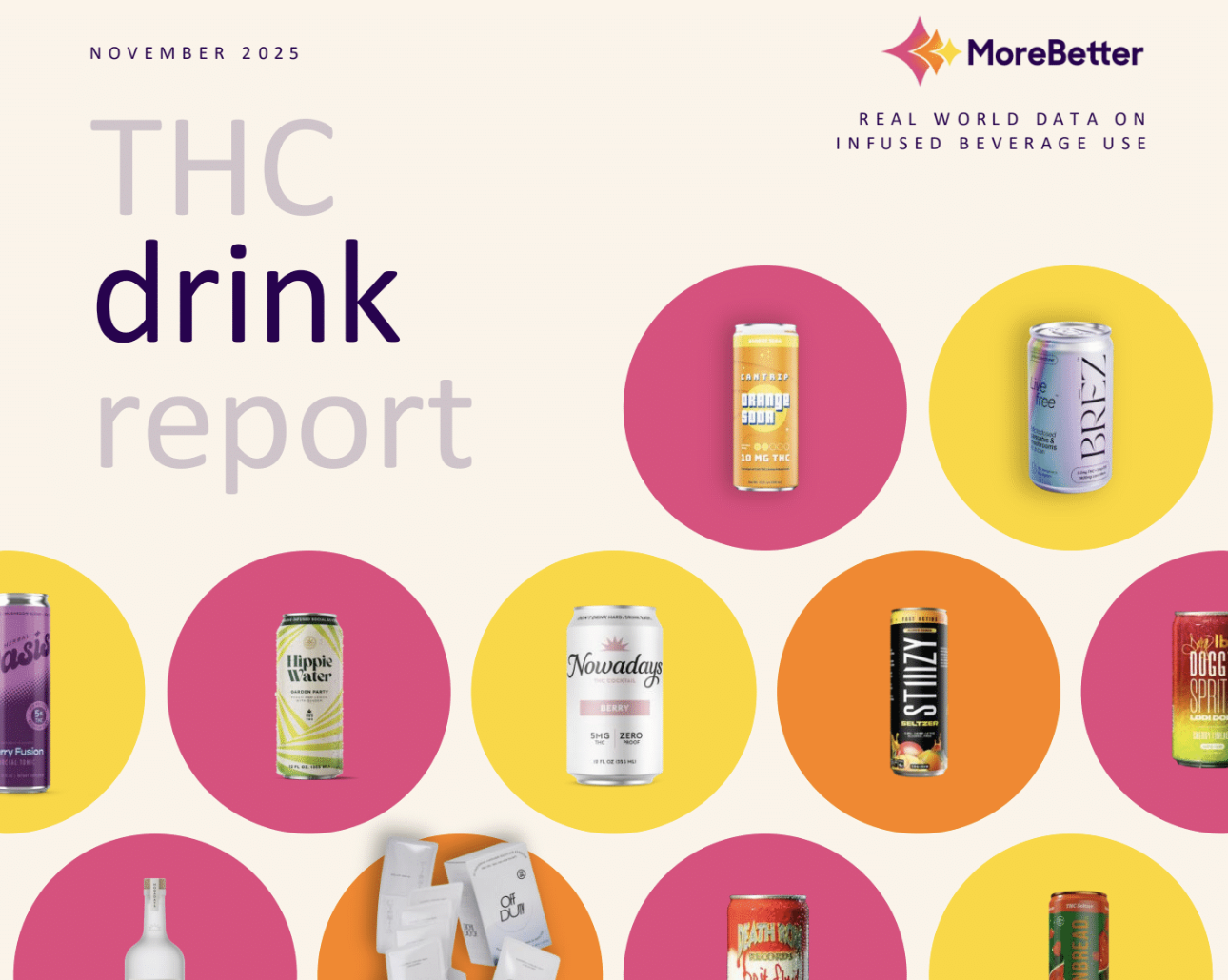
Protecting Hemp as a Functional Wellness Tool: Insights from the Largest Observational Study on Hemp-Derived Cannabinoid Beverages
Cannabinoid-infused beverages are one of the fastest growing sectors in the hemp industry and comprise a significant category of medical and adult use products. Until now, there has been very limited information on the real-world impact of infused beverages. Here we summarize findings from the first large-scale, non-interventional, longitudinal observational study of beverages in real-world settings. This research shows how THC beverages can improve daily life for sleep, mood, anxiety, and reductions in alcohol and other cannabis products. These data-backed benefits emphasize that access to hemp should be protected!
